
 EN
EN
The Science Behind iPhone Lithium Batteries: Voltage, Cycles, and Degradation
Understanding the science behind iPhone lithium batteries is essential for anyone who relies on mobile devices daily. Modern iPhones depend on sophisticated high-cycle polymer lithium battery for iphone technology that balances power delivery, longevity, and safety. The chemistry and engineering behind these batteries involve intricate interactions between voltage levels, charge cycle management, and chemical degradation processes. When you understand how a high-cycle polymer lithium battery for iphone functions at the molecular level, you gain insight into why battery health declines over time and how to maximize device lifespan.
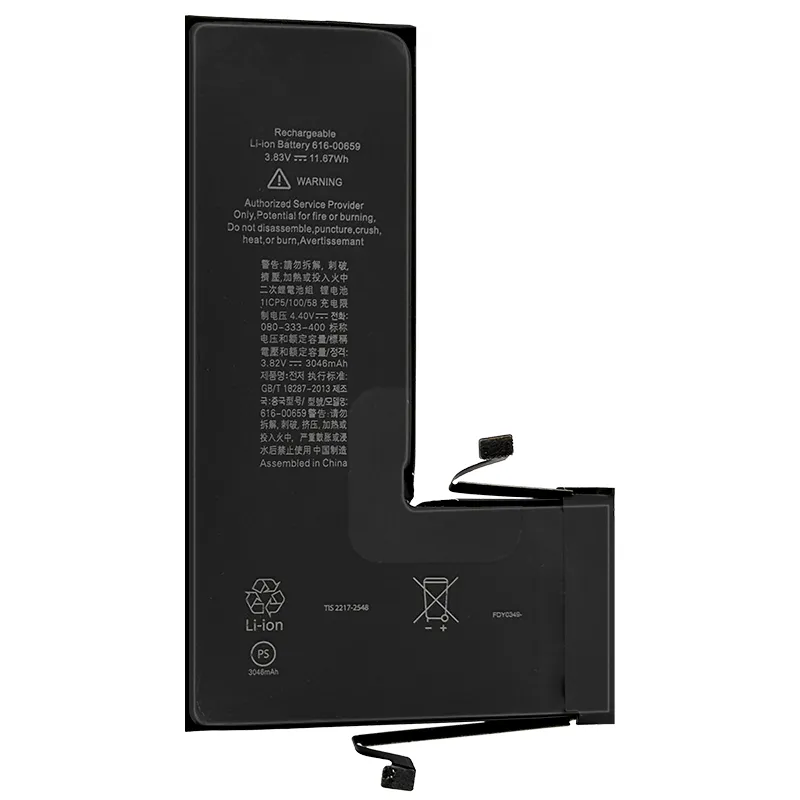
The high-cycle polymer lithium battery for iphone represents a significant evolution in mobile power storage. These batteries use polymer electrolytes instead of liquid electrolytes, offering improved safety and energy density. Each high-cycle polymer lithium battery for iphone is designed to withstand hundreds of complete charge cycles while maintaining consistent voltage output and chemical stability. The combination of polymer construction, lithium-ion chemistry, and advanced management systems makes modern iPhone batteries capable of delivering reliable performance across millions of device interactions.
Voltage Fundamentals in Polymer Lithium Battery Technology
Understanding Nominal and Peak Voltage in High-Cycle Polymer Lithium Battery for iPhone
Voltage is the electrical pressure that drives current through your iPhone's circuitry. A high-cycle polymer lithium battery for iphone operates within carefully defined voltage ranges to ensure both performance and safety. The nominal voltage of a high-cycle polymer lithium battery for iphone is typically 3.7 volts, while the charging voltage reaches approximately 4.35 volts at full capacity. This voltage differential creates the electrochemical potential that powers your device, but it also initiates the chemical reactions that gradually degrade the battery materials.
When charging a high-cycle polymer lithium battery for iphone, the lithium ions move from the cathode to the anode through the polymer electrolyte. This ion migration requires higher voltage to occur, which is why fast charging pushes the high-cycle polymer lithium battery for iphone to maximum voltage more quickly. However, maintaining a high-cycle polymer lithium battery for iphone at elevated voltage accelerates internal chemical reactions that promote material degradation. Modern iPhone battery management systems regulate voltage dynamically to balance charging speed with long-term battery health.
Voltage Regulation and Battery Management Systems
iPhone employs sophisticated battery management systems that continuously monitor and adjust the voltage delivered by your high-cycle polymer lithium battery for iphone. The high-cycle polymer lithium battery for iphone communicates with the phone's processor through a series of sensors that measure temperature, current flow, and cell voltage. This real-time monitoring allows the system to reduce charging voltage if the high-cycle polymer lithium battery for iphone temperature rises, protecting the battery from thermal stress that accelerates degradation. The high-cycle polymer lithium battery for iphone management system essentially acts as a protective intermediary between the charger and the battery cells.
Charge Cycles and Battery Lifespan Mechanics
What Constitutes a Charge Cycle for High-Cycle Polymer Lithium Battery for iPhone
A charge cycle represents a complete discharge and recharge of a high-cycle polymer lithium battery for iphone, though it does not need to occur consecutively. If you use fifty percent of your high-cycle polymer lithium battery for iphone capacity and then recharge it fully, that counts as half a cycle. Two partial charges that total one hundred percent would combine to form one complete cycle of your high-cycle polymer lithium battery for iphone. This distinction matters because users often misunderstand how much charging actually stresses their high-cycle polymer lithium battery for iphone.
The high-cycle polymer lithium battery for iphone is rated for a specific number of charge cycles before it retains only eighty percent of its original capacity. Modern iPhone batteries, particularly the advanced high-cycle polymer lithium battery for iphone technology used in recent models, are designed to withstand five hundred or more complete cycles. With typical daily use patterns, this means a high-cycle polymer lithium battery for iphone should maintain adequate performance for two to three years before noticeable capacity loss occurs. After one thousand cycles, a high-cycle polymer lithium battery for iphone may retain only sixty to seventy percent of original capacity, depending on usage patterns and environmental factors.
Cycle Stress and Chemical Degradation Pathways
Each cycle of a high-cycle polymer lithium battery for iphone involves lithium ions moving between the anode and cathode through the polymer electrolyte. This repeated ion migration causes microscopic structural changes in the electrode materials. The solid electrolyte interphase layer, which forms between the electrodes and the polymer electrolyte in your high-cycle polymer lithium battery for iphone, becomes thicker with each cycle, increasing internal resistance. A high-cycle polymer lithium battery for iphone with increased resistance requires higher voltage to deliver the same current, which further accelerates degradation in a self-reinforcing cycle.
Degradation Mechanisms and Environmental Factors
Chemical Degradation Pathways in Polymer Lithium Battery Systems
The high-cycle polymer lithium battery for iphone degrades through multiple concurrent chemical mechanisms that interact in complex ways. Electrolyte decomposition occurs as the polymer electrolyte reacts with the cathode material, particularly at higher voltages where the high-cycle polymer lithium battery for iphone is exposed to oxidative stress. Simultaneously, lithium ions can become trapped in the solid electrolyte interphase, reducing the amount of active lithium available in your high-cycle polymer lithium battery for iphone for energy storage. Transition metal dissolution from the cathode material represents another significant pathway that contributes to overall degradation of the high-cycle polymer lithium battery for iphone.
The polymer electrolyte in a high-cycle polymer lithium battery for iphone is also susceptible to oxidative decomposition, particularly when the high-cycle polymer lithium battery for iphone is charged to maximum voltage. This decomposition produces byproducts that can deposit on electrode surfaces, further increasing resistance within the high-cycle polymer lithium battery for iphone. These overlapping degradation mechanisms mean that the relationship between charge cycles and capacity loss is not perfectly linear; later cycles often show accelerated degradation rates compared to earlier cycles of the high-cycle polymer lithium battery for iphone.
Temperature Effects and Environmental Stress
Temperature profoundly affects the chemical reaction rates within a high-cycle polymer lithium battery for iphone. Higher temperatures accelerate all degradation mechanisms, causing a high-cycle polymer lithium battery for iphone to age more rapidly even during storage or standby periods. Conversely, cold temperatures slow the chemical reactions but can reduce the available capacity of a high-cycle polymer lithium battery for iphone during use. The optimal operating temperature range for a high-cycle polymer lithium battery for iphone is between sixty-five and eighty-five degrees Fahrenheit; outside this range, the high-cycle polymer lithium battery for iphone experiences accelerated aging or reduced performance.
Repeated temperature cycling also stresses a high-cycle polymer lithium battery for iphone through thermal expansion and contraction of electrode materials. This mechanical stress can create microscopic cracks in the electrode structure, increasing the surface area where the high-cycle polymer lithium battery for iphone materials interact with the electrolyte. Additionally, maintaining a high-cycle polymer lithium battery for iphone at elevated temperature while keeping it at maximum voltage creates a particularly damaging combination; this explains why leaving your iPhone plugged in constantly during warm weather significantly degrades battery health.
FAQ
How does a high-cycle polymer lithium battery for iphone maintain voltage stability across charge cycles?
A high-cycle polymer lithium battery for iphone maintains voltage stability through the electrochemical potential difference between its anode and cathode materials. The polymer electrolyte enables lithium-ion transport while resisting electron flow, creating the voltage output. As the high-cycle polymer lithium battery for iphone ages, increasing internal resistance causes voltage sag, particularly under high current demand. The battery management system compensates by regulating charging voltage dynamically, though this compensation becomes less effective as the high-cycle polymer lithium battery for iphone accumulates more cycles and degradation accelerates.
What is the relationship between operating temperature and high-cycle polymer lithium battery for iphone degradation rates?
Temperature directly controls the speed of chemical reactions within a high-cycle polymer lithium battery for iphone. A high-cycle polymer lithium battery for iphone operated at thirty degrees Celsius experiences roughly half the chemical degradation rate of the same battery operated at fifty degrees Celsius. Extended exposure to temperatures above forty degrees Celsius significantly accelerates the degradation of a high-cycle polymer lithium battery for iphone regardless of charge state. This means that environmental conditions matter as much as usage patterns when determining the lifespan of your high-cycle polymer lithium battery for iphone.
Can partial charge cycles extend the lifespan of a high-cycle polymer lithium battery for iphone?
Partial charge cycles do extend the lifespan of a high-cycle polymer lithium battery for iphone compared to full cycles, but the relationship is not proportional. Keeping a high-cycle polymer lithium battery for iphone between twenty and eighty percent charge state significantly reduces degradation compared to cycling from zero to one hundred percent regularly. However, a high-cycle polymer lithium battery for iphone still ages over time due to calendar aging, which occurs independently of charge cycles. Modern iPhone software manages this through optimized battery charging features that learn your charging patterns and restrict a high-cycle polymer lithium battery for iphone to eighty percent capacity during overnight charging.
