
 EN
EN
Complete Battery Replacement Guide for the Entire iPhone Series (5 to 15 Pro Max)
Battery replacement for iPhone series is one of the most practical maintenance decisions an iPhone owner can make. Whether your iPhone 5, iPhone 6, iPhone 7, or any model up to the latest iPhone 15 Pro Max is losing charge quickly, understanding when and how to perform battery replacement for iPhone series ensures your device stays functional and cost-effective. Over time, lithium-ion batteries degrade through charge cycles, and knowing the right approach to battery replacement for iPhone series can extend your device's lifespan by years rather than months.
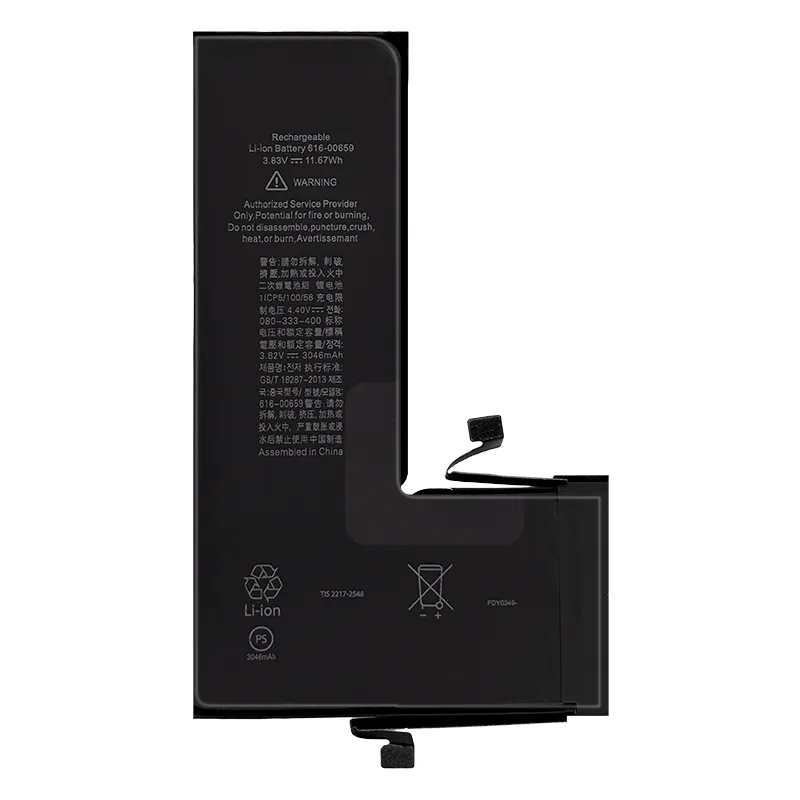
Battery replacement for iPhone series represents a significant opportunity to avoid premature device replacement. Each iPhone generation, from the iPhone 5 through the iPhone 15 Pro Max, relies on specifically engineered batteries designed to meet that model's power demands. Understanding the nuances of battery replacement for iPhone series across different generations helps you make informed decisions about maintenance, repair timing, and long-term device strategy.
Understanding Battery Degradation Across iPhone Models
Why iPhone Batteries Lose Capacity Over Time
Battery replacement for iPhone series becomes necessary because lithium-ion batteries naturally degrade with every charge cycle. A single charge cycle is considered a full discharge from 100 percent to 0 percent, though typical daily usage usually involves partial cycles that still contribute to overall battery wear. The iPhone 5 through iPhone 15 Pro Max all feature lithium-ion technology, meaning each model experiences similar degradation patterns, though at different rates depending on usage intensity, temperature exposure, and charging habits. Battery replacement for iPhone series typically becomes necessary after 500 to 1,000 full charge cycles, which translates to roughly 2 to 3 years of typical daily use.
Battery Capacity Ratings by iPhone Generation
Each iPhone generation features different battery capacity specifications that influence longevity and performance. The iPhone 5 carried 1,440 mAh, while the iPhone 6 and iPhone 6 Plus introduced larger capacities at 1,810 mAh and 2,915 mAh respectively. Moving forward, the iPhone 15 Pro Max features 4,685 mAh, representing nearly a threefold increase over earlier models. Understanding these specifications helps determine whether battery replacement for iPhone series is the appropriate solution or if a newer model purchase makes more financial sense. Battery replacement for iPhone series remains cost-effective compared to device replacement when your iPhone still meets your computing needs.
Step-by-Step Battery Replacement Process for Each iPhone Series
Preparation and Diagnostic Assessment
Before pursuing battery replacement for iPhone series, verify that battery health degradation is truly your issue. Access Settings on your iPhone, navigate to Battery Health, and check Maximum Capacity and Peak Performance Capability status. When Maximum Capacity drops below 80 percent, battery replacement for iPhone series becomes a practical consideration. This diagnostic step applies universally from iPhone 5 through iPhone 15 Pro Max, though older models may not display the same health metrics in Settings. Battery replacement for iPhone series should only proceed once you confirm that capacity loss or performance throttling stems from battery degradation rather than software issues or other hardware problems.
Professional versus DIY Approaches to Battery Replacement
Battery replacement for iPhone series can follow either professional repair service or do-it-yourself routes, each with distinct advantages and risks. Professional battery replacement for iPhone series through authorized service providers ensures warranty protection, genuine component use, and proper calibration after installation. DIY battery replacement for iPhone series requires specialized tools including pentalobe screwdrivers, spudgers, suction cups, and proper thermal adhesives or gaskets to maintain water resistance. For iPhone 5 through iPhone 12 models, DIY battery replacement for iPhone series is relatively straightforward with widely available online guides and components. However, for iPhone 13, iPhone 14, and iPhone 15 series, battery replacement for iPhone series becomes increasingly complex due to enhanced security features and integrated display assemblies, making professional service more advisable.
Timing and Decision Framework for Battery Replacement
Recognizing Signs Your iPhone Needs Battery Replacement
Several clear indicators signal when battery replacement for iPhone series is appropriate. Sudden unexpected shutdowns occurring even when battery percentage appears adequate indicate aged battery capacity in iPhone 5 through iPhone 15 Pro Max models, making battery replacement for iPhone series the logical solution. Significantly reduced usage time between charges, requiring daily charging instead of every other day, suggests battery replacement for iPhone series is needed. Performance throttling, where your iPhone feels noticeably slower under load, often accompanies battery aging, since iOS automatically reduces processor speed to protect diminished battery voltage stability. Battery replacement for iPhone series addresses this performance issue by restoring full processor capability. Additionally, physical battery swelling visible inside the device case demands immediate battery replacement for iPhone series as a safety precaution.
Cost-Benefit Analysis for Different iPhone Models
The financial decision around battery replacement for iPhone series depends on your iPhone's age, current market value, and replacement device costs. For iPhone 5, iPhone 6, and iPhone 7 models released between 2013 and 2016, battery replacement for iPhone series typically costs between 50 and 80 dollars through authorized providers, making it economically sensible if your device otherwise functions well. For newer models like iPhone 13, iPhone 14, and iPhone 15 series, battery replacement for iPhone series may cost 70 to 120 dollars depending on regional pricing. Compare this against purchasing a used replacement device or upgrading to a new model. Battery replacement for iPhone series remains financially worthwhile when your device meets your needs and performs all essential functions, provided the battery cost represents less than 30 to 40 percent of used device replacement cost.
Extending Battery Life After Battery Replacement
Optimal Charging Practices Post-Battery Replacement
Maximizing your new battery's lifespan after battery replacement for iPhone series requires intentional charging behavior. Avoid letting your battery discharge completely to 0 percent regularly, as this stresses the battery more than partial discharge cycles. Keep your iPhone charged between 20 and 80 percent for daily use whenever practical, reserving full charge-to-discharge cycles for occasional needs. Enable Optimized Battery Charging in Settings after battery replacement for iPhone series, which learns your charging patterns and delays charging above 80 percent until you need your device, reducing overall stress on the battery. This feature applies consistently across iPhone 5 through iPhone 15 Pro Max, adapting to your personal usage patterns to minimize unnecessary charge cycles.
Temperature Management and Storage Considerations
Environmental factors significantly impact battery longevity after battery replacement for iPhone series. Lithium-ion batteries degrade faster when exposed to extreme heat or cold, so avoid leaving your iPhone in direct sunlight, hot vehicles, or near heating vents. Similarly, extended exposure to temperatures below 32 degrees Fahrenheit damages battery chemistry, though this typically reverses once the device warms. If storing your iPhone for extended periods following battery replacement for iPhone series, maintain the device at approximately 50 percent charge in a cool dry location. High temperature combined with high charge state accelerates degradation dramatically, so never store your iPhone fully charged in warm environments. These principles apply universally to iPhone 5 through iPhone 15 Pro Max, protecting your battery replacement for iPhone series investment across all generations.
FAQ
How often should I perform battery replacement for iPhone series devices?
Battery replacement for iPhone series typically becomes necessary every 2 to 3 years under normal daily use, though this varies based on individual charging patterns and usage intensity. If you charge your phone multiple times daily or keep it continuously at 100 percent charge, battery replacement for iPhone series may be needed sooner. Conversely, moderate users who follow optimal charging practices may extend the interval before battery replacement for iPhone series becomes necessary to 4 years or longer. Most users should evaluate battery replacement for iPhone series when Maximum Capacity drops below 80 percent.
Can battery replacement for iPhone series be done at home without professional tools?
Battery replacement for iPhone series can be attempted at home for older models like iPhone 5 through iPhone 11, though it requires specialized tools and technical knowledge. Battery replacement for iPhone series on newer models like iPhone 13, iPhone 14, and iPhone 15 series is much more challenging due to complex adhesive systems and integrated components, making professional service strongly recommended. Even with correct tools, improper battery replacement for iPhone series risks water damage, display damage, and loss of device waterproofing certification.
Is battery replacement for iPhone series more economical than purchasing a new device?
Battery replacement for iPhone series is almost always more economical than purchasing a new iPhone when your device is less than 5 years old and functions properly otherwise. Battery replacement for iPhone series costs between 50 and 120 dollars depending on your model, while new iPhone prices start at 800 dollars, making battery replacement for iPhone series the clear financial choice for most users. Only consider device replacement over battery replacement for iPhone series when multiple hardware components are failing or your device is so old that modern applications cannot run efficiently.
